


Bessie’s Hope is a 501(C)(3) nonprofit. all donations are tax deductible
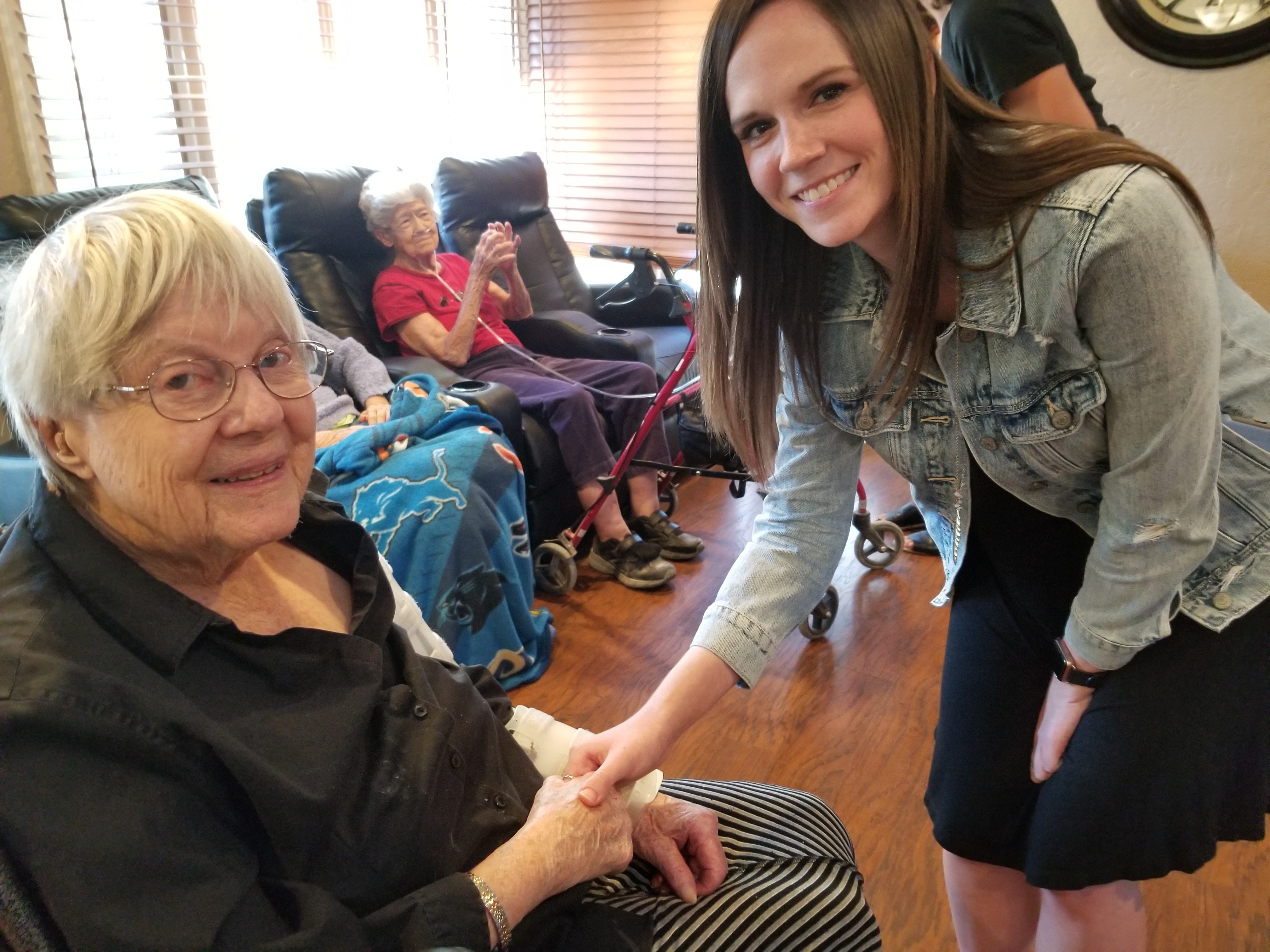


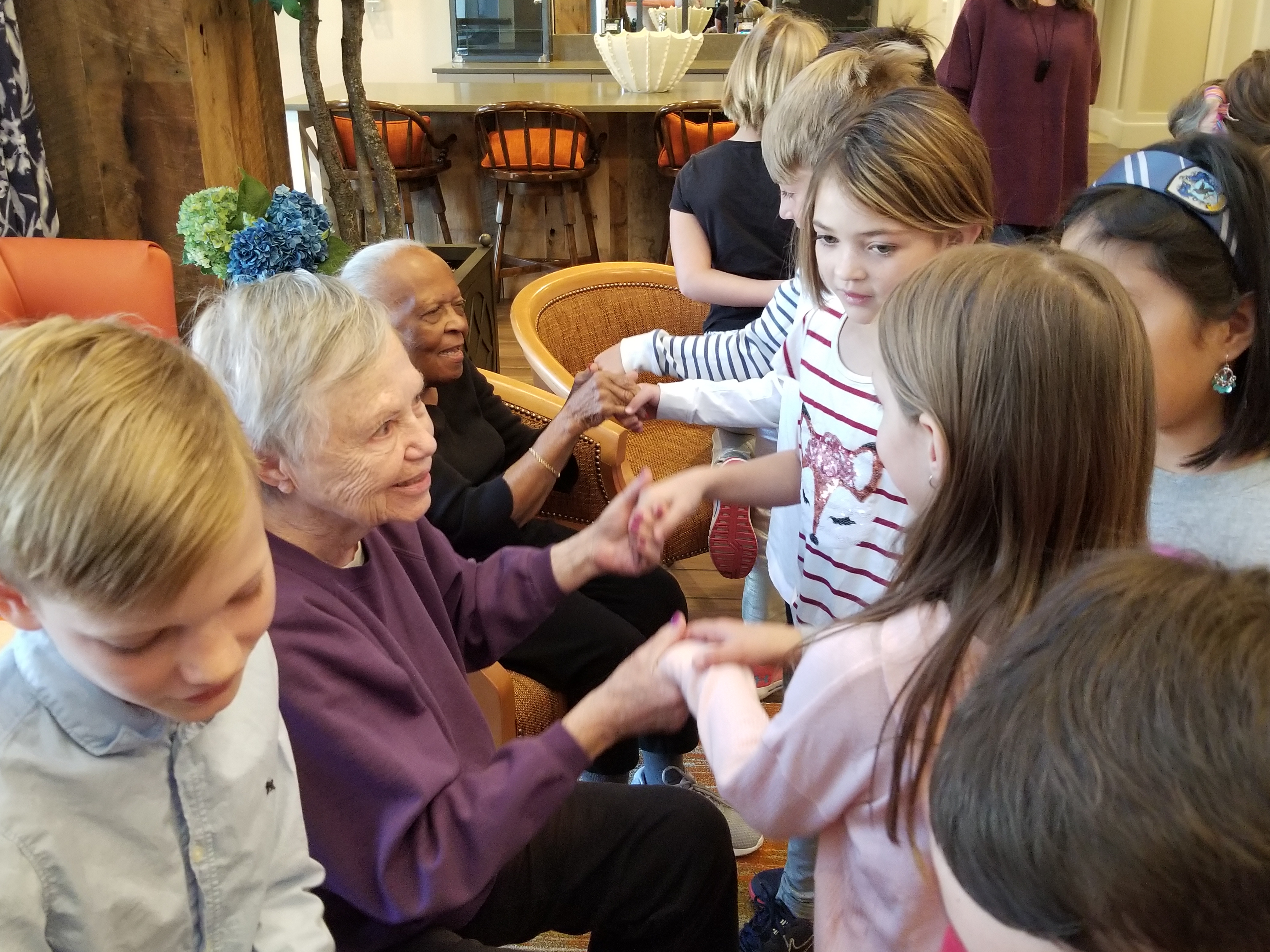
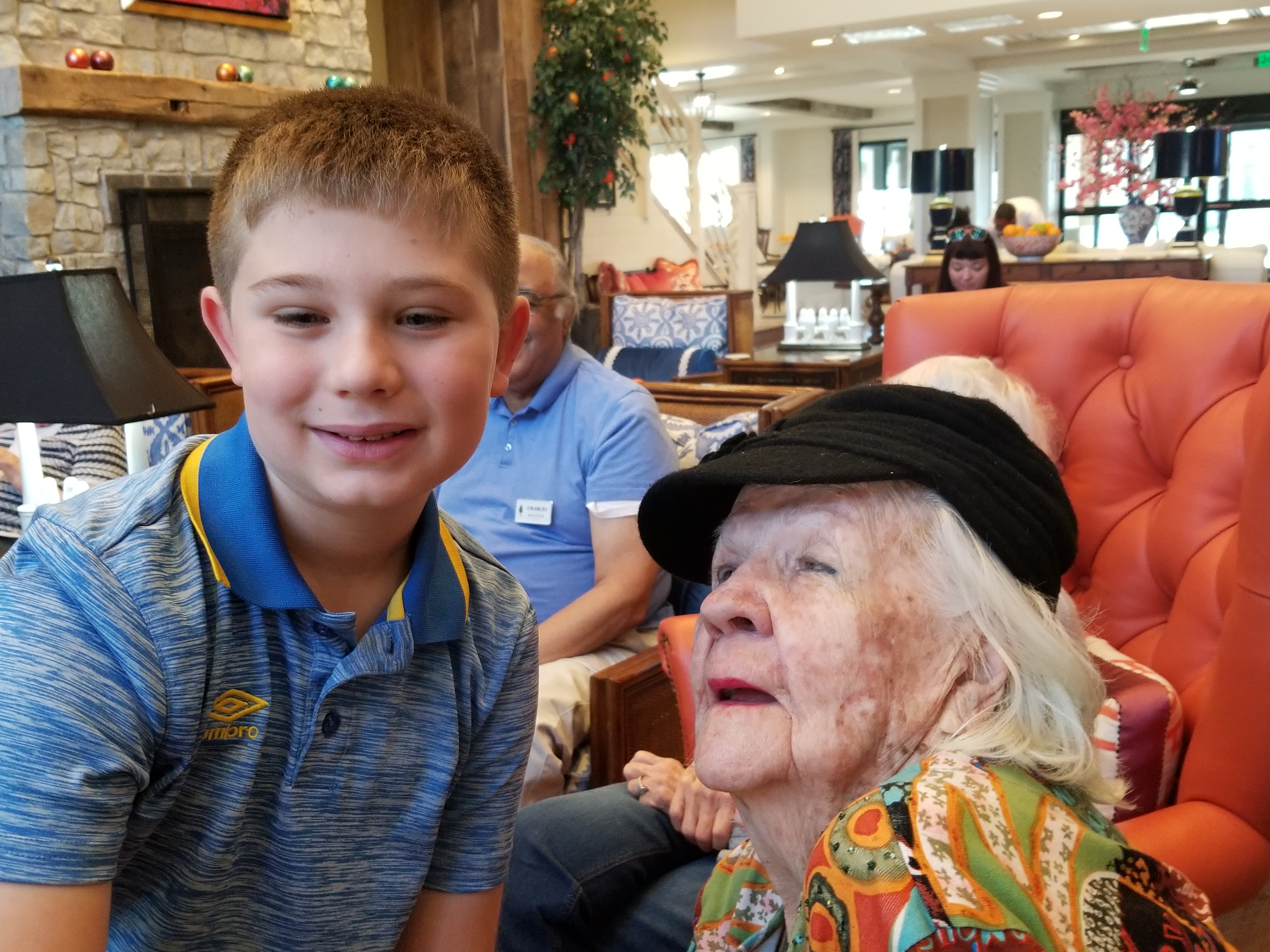
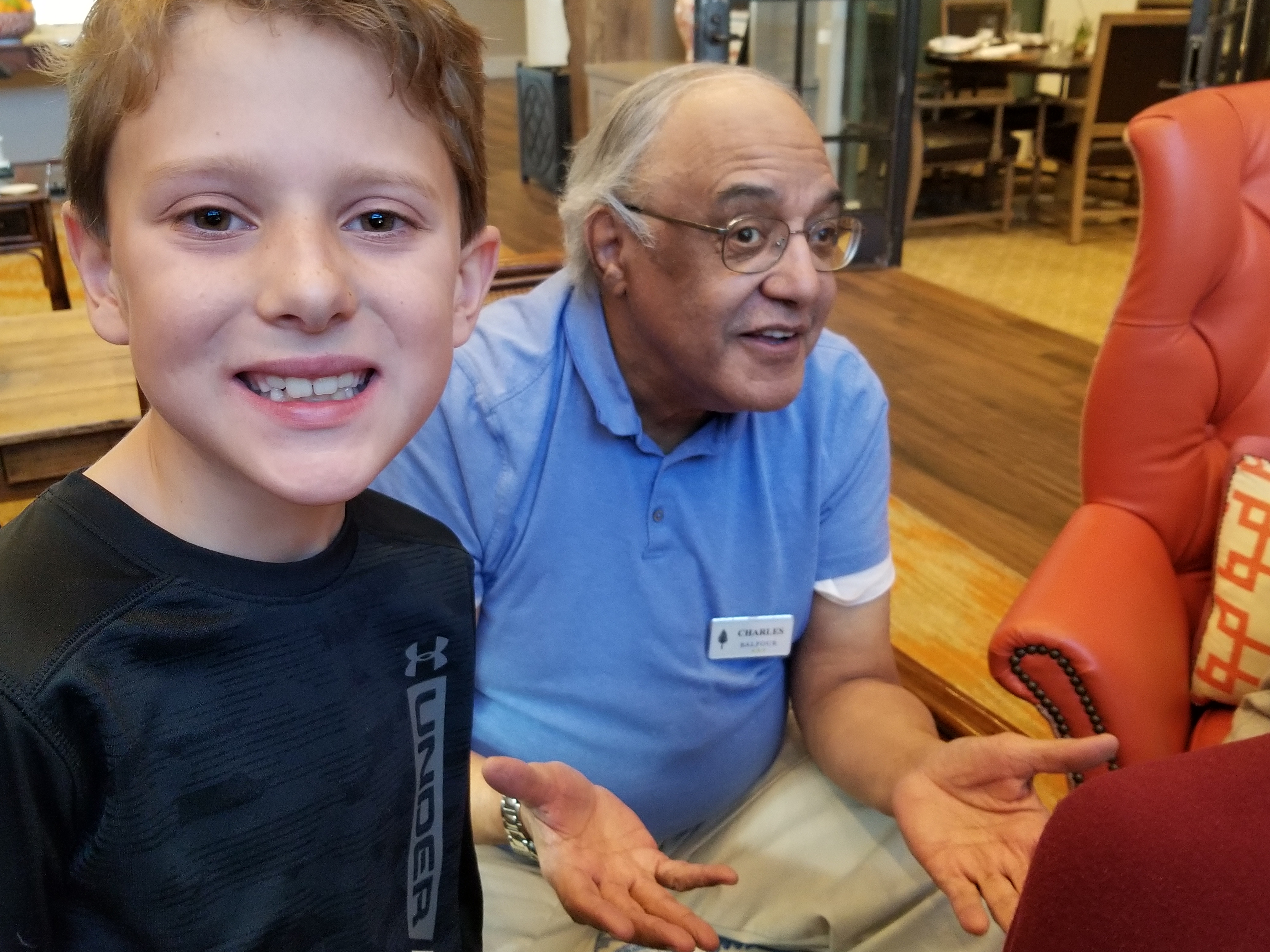

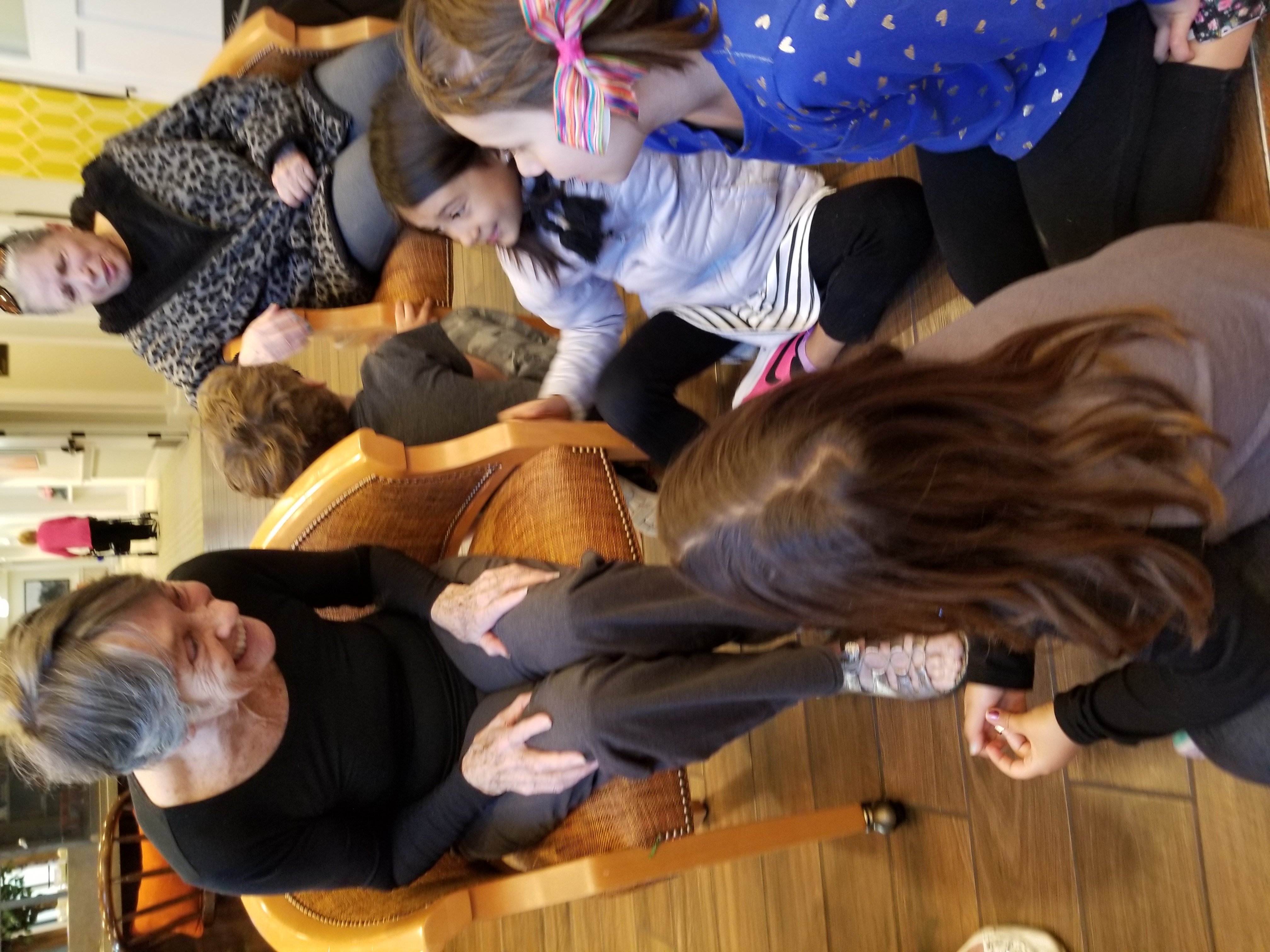
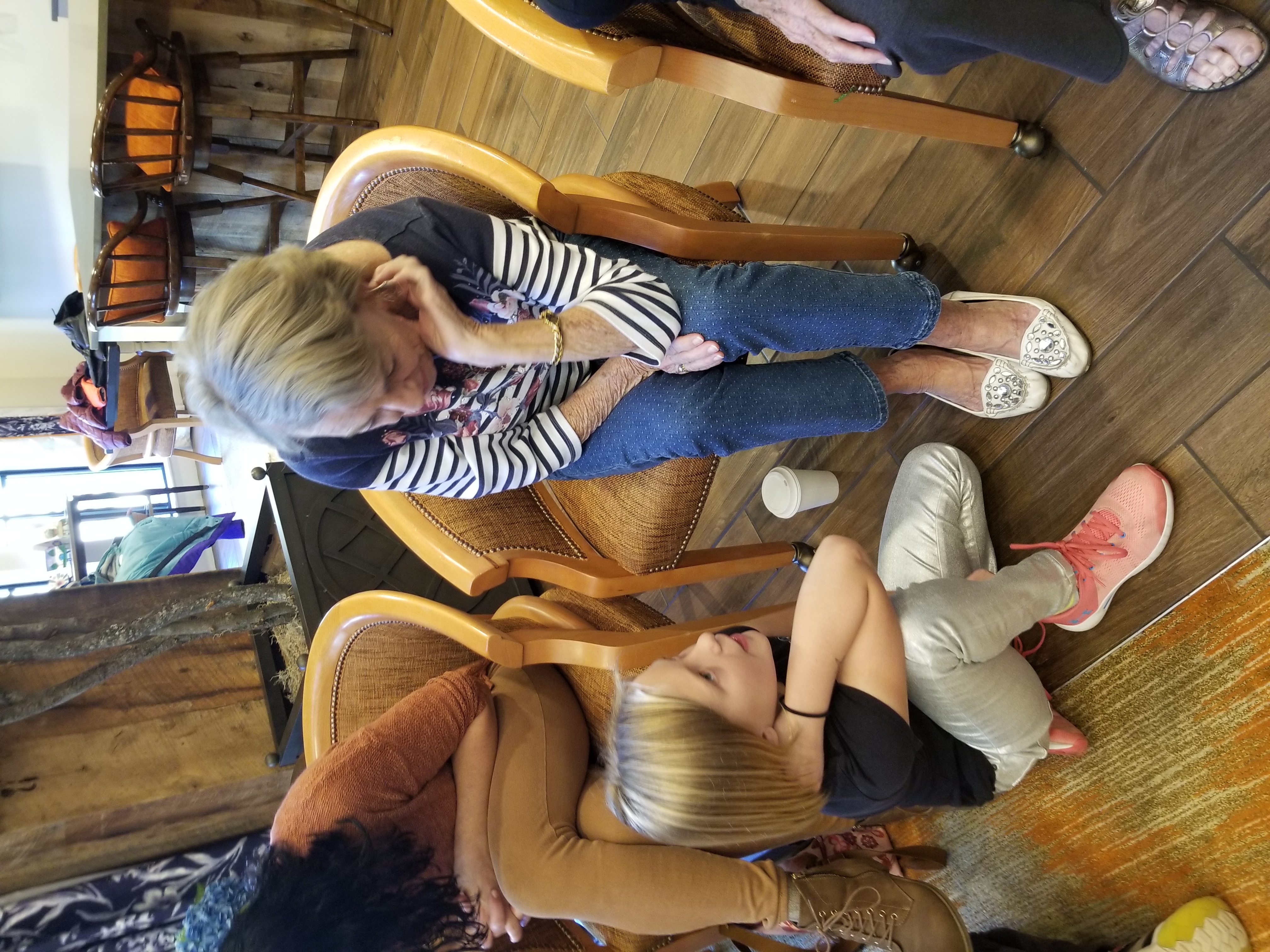
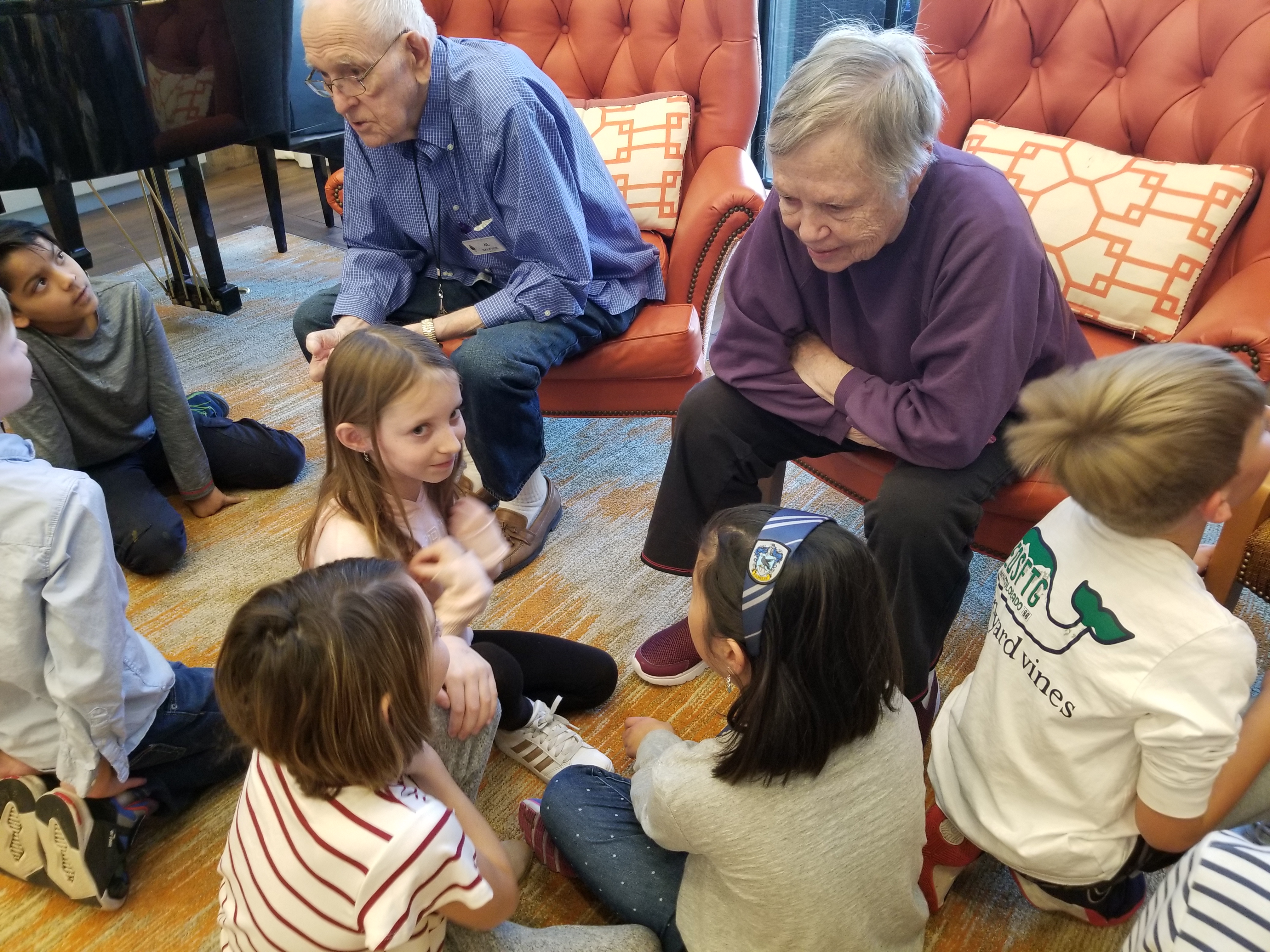
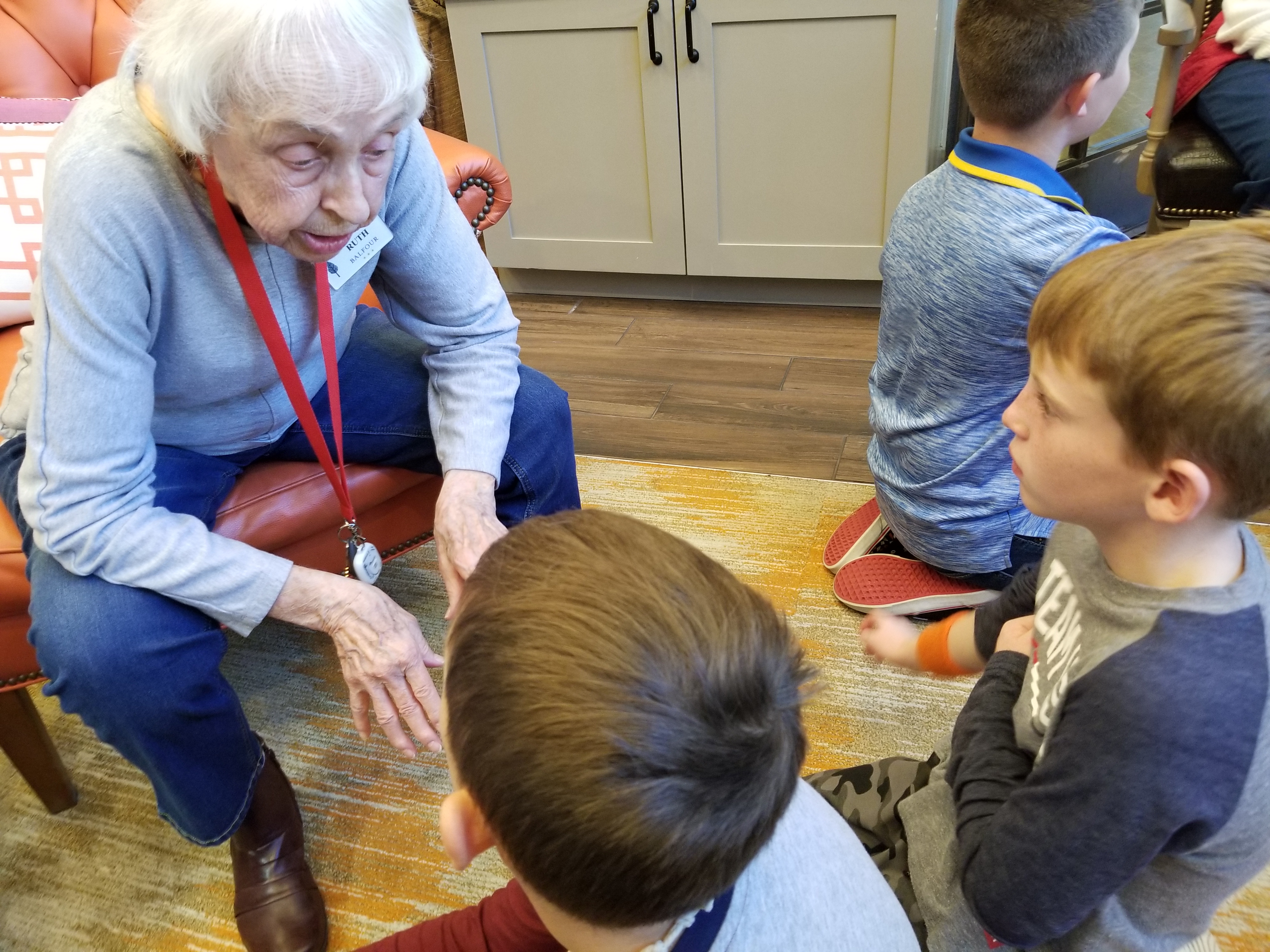




Helping Break the Cycle of Ageism Can Lie in the Hands of Today’s Youth
In today’s society there is a prominent focus on ageism, healthy aging and improved quality of life for the aging population; however, the focus does not extend to those who are living in nursing homes. Six out of ten Americans would rather die than to have to live in a nursing home; however, hundreds of thousands of the 65+ population do reside in a nursing homes. The resistance of not wanting to live there could be that the perceptions of nursing homes is that they are just places people go to die, and are populated with those who have little left to give. That simply is not true.
Society must realize just because someone lives in a nursing home, it does not mean that they have given up the desire to learn, feel valued, contribute to society, and live the rest of their lives with dignity and a sense of meaning. Just because they have a roof over their head, are fed and receive health care, doesn’t mean that society should assume that their needs are being met.
In a research study titled “Does Intergenerational Contact Reduce Ageism?” the authors, Julie Christian, Rhiannon Turner, Natasha Holt, Michael Larking and Joseph Cotler, found evidence that “youth who have contact with the elderly can break stereotypes and instill positive attitudes toward aging and the elderly. Participants need to have time to get to know one another so that there is potential for empathy, to disclose personal information and to work on communication so that the interactions are comfortable.” This description of successful intergenerational programs perfectly.
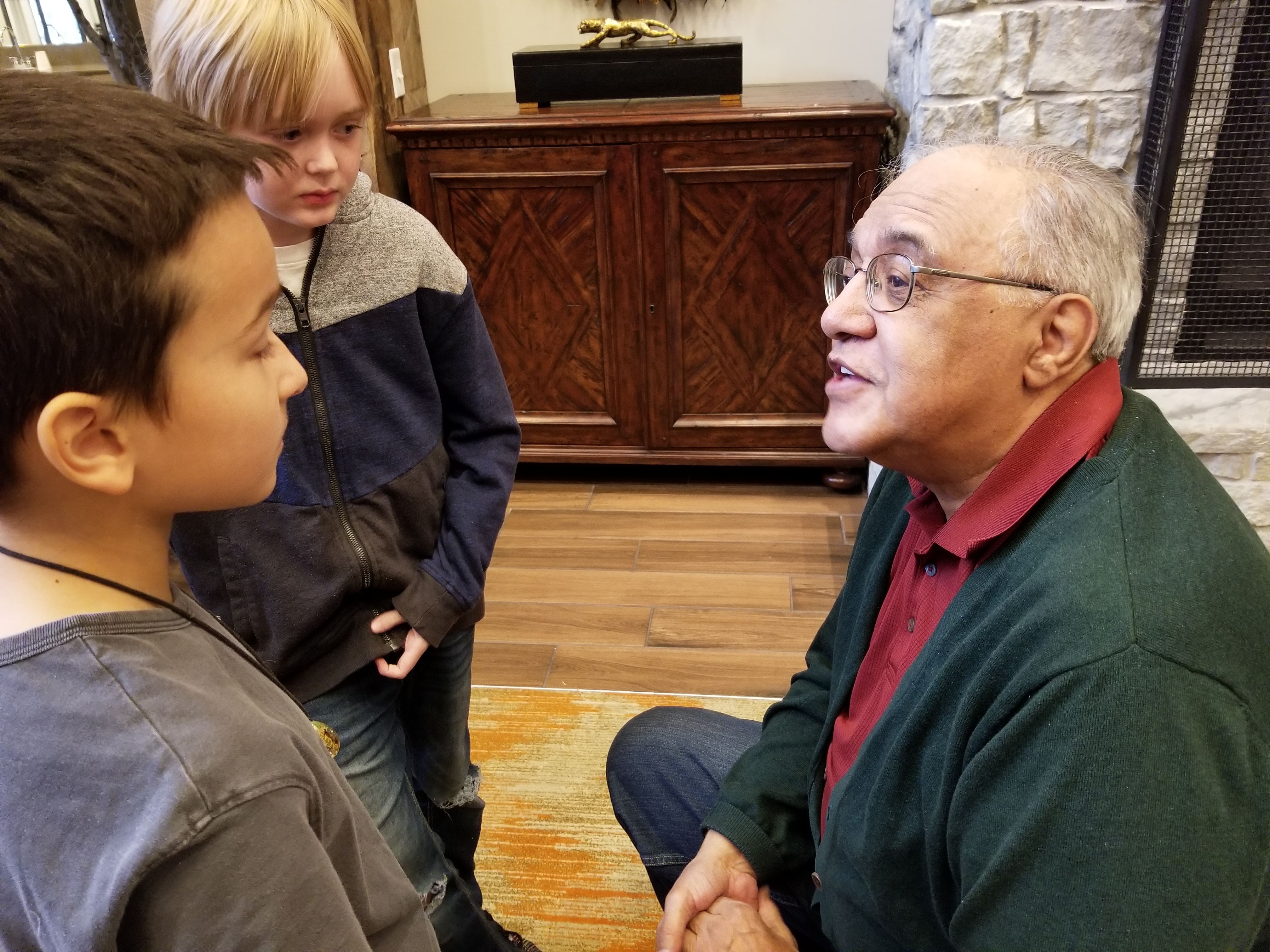
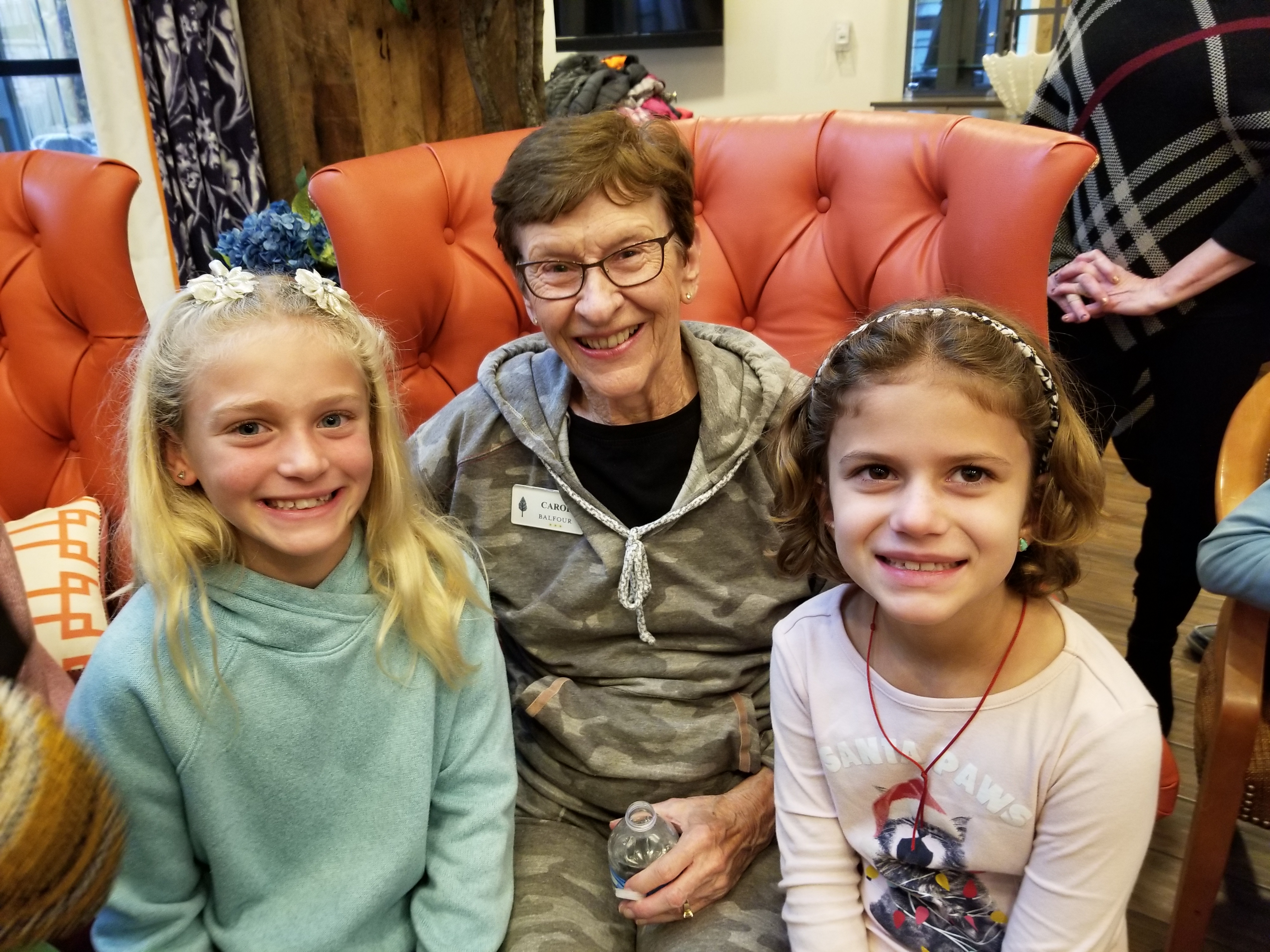
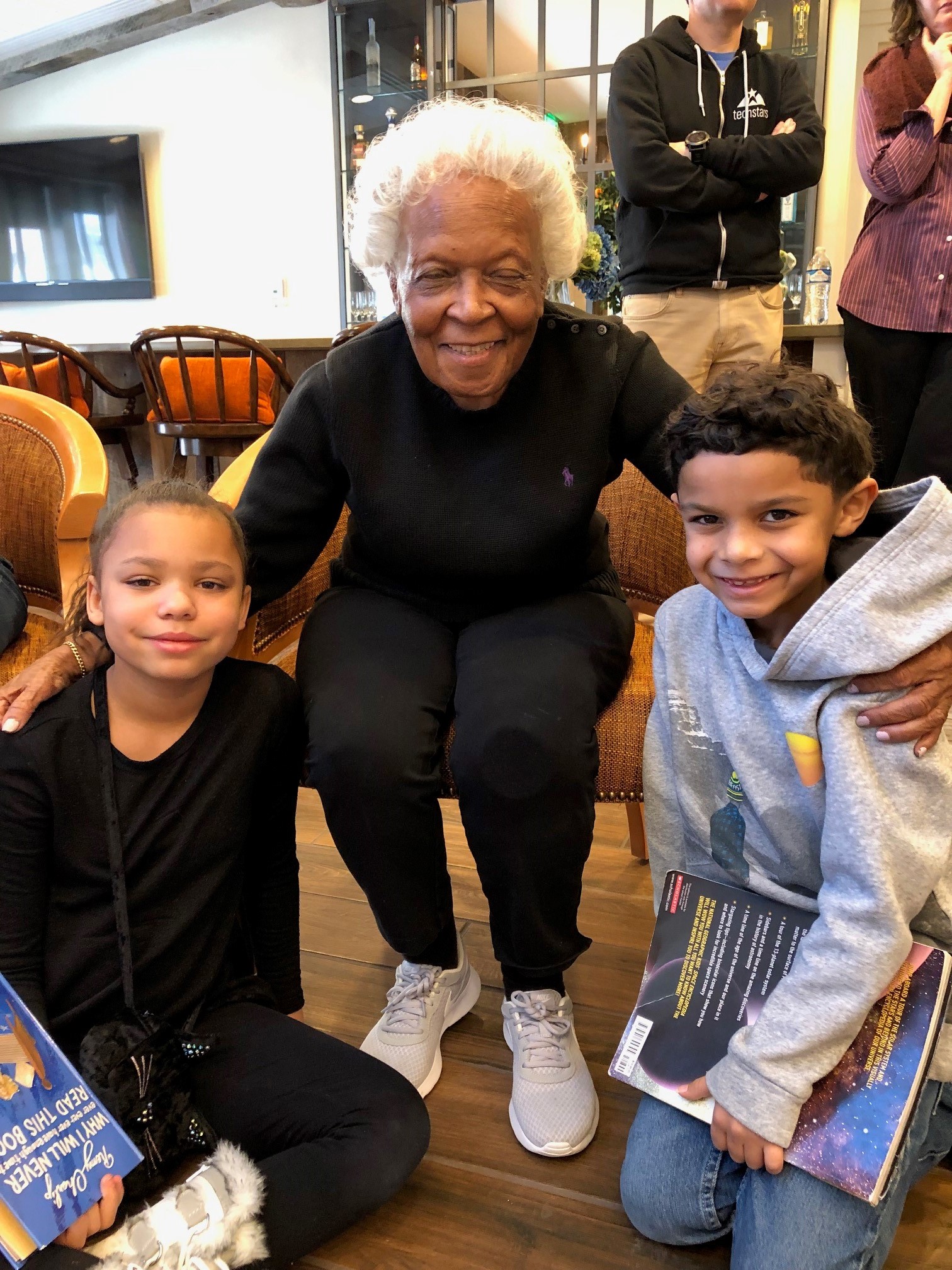
The Bessie’s Hope youth are taught that the elders with whom they will be cultivating relationships are the individuals upon whose knowledge, skills, talents and hard work our communities were built. Also that the elders have amazing life stories to share, but there is no one to listen. Our youth are eager to listen and learn from them, because of our training. This is important because the residents like telling stories from former times again and again because they live in a world of memories from the past. These stories, which stabilize identity, are important as the elders generate their sense of living from their reflection of the past.
The following are quotes from Bessie’s Hope youth participants:
Ageism is the stereotyping, prejudice, and discrimination against people on the basis of their age. Ageism is widespread and an insidious practice which has harmful effects on the health of older adults.
In America, ageism is prevalent because western cultures tend to be youth-centric, emphasizing attributes like individualism and independence. However, many other cultures are less prone to ageism. For instance, respecting the elders is part of the actual law in China. The Japanese culture values the elders. Appreciation for elders has been ingrained in families and their children, making Japan one of the kindest places in the world for seniors. Older people are valued as assets in Scotland. Their voices are heard, and they are supported to enjoy full and positive lives in family settings.
How does ageism affect older adults?
Age discrimination can be very hurtful to the self-esteem of aging individuals and can even take a toll on their health. Many seniors are treated like second-class citizens by younger generations. They are often talked down to or even made to feel invisible because of their age.
A 20-year study on perceived age discrimination, by Becca Levy, PhD, found that 63% of participants over age 53, reported feeling discriminated against, with the main cause cited being their old age. The study also found that age discrimination quickly leads to feelings of depression and stress and causes lowered mental health as well as lower self rated health, and when older individuals were exposed to positive stereotypes about their age they showed significantly better memory and balance than those exposed to negative views. What is even more astonishing is that seniors with positive perceptions of aging live 7.5 years longer than those with negative views.
How to recognize ageist comments?
If left unchanged, ageist comments can erode the self-confidence of older people and make them feel ostracized. So how can we learn to recognize ageism and how do we avoid it? Here are some ageist words, phrases and non-verbal cues that should be avoided.
Old hag, old-timer, little old lady, old coot, over the hill, old foggy, decrepit, ancient, biddy, codger, crone, fossil, geezer, old fart, old goat, prune, senile old fool, eccentric, feisty, spry, feeble, grandmotherly, grandfatherly and vegetable.
“Old dogs can’t learn new tricks.”
“Old people are perpetually out of touch”
“A quick-witted 85-year-old”,
“An agile 75-year-old”,
“Feisty old lady”,
“Wow! She’s 78 and still takes online classes.”
“This little old lady still parties like a college kid.”
“He is 80 years young.”
“Can you believe she’s 60 years old?”
“60 is the new 30.”
“I’m so glad you’re still up and around!”
“You’re still agile! How’s your health?”
“You shouldn’t be doing that.”
“You could pass for much younger.”
“Oh, you’re not old.”
“Grandma is so wrinkled she needs a bookmark to find her mouth.”
“My old Uncle Ed still whistles at girls but can’t remember why.”

by Joanne Davidson, Mile High Style
Appearances on Jimmy Kimmel Live, the Jeff Foxworthy Show and at Harrah’s Las Vegas helped propel magician-comedian Mark Robinson to national prominence. And, just like magic, he’ll be in Denver on April 2 to headline a gala benefiting Bessie’s Hope.
“An Evening of Music & Magic,” chaired by Adrienne Ruston Fitzgibbons, also will feature the vocal stylings of Leonard E Barrett Jr., whose credits include The Denver Post Ovation Award, The Denver Post Readers’ Best Actor Award and Westword’s Best Season for an Actor award.
In addition, longtime supporter LaFawn Biddle will be celebrating her 90th Birthday that night by accepting the 2015 Bessie’s Hope Community Angel Award. It will be presented by 2014 recipient Jamie Angelich.
Plans for the gala were firmed up at a reception held at Don and Arlene Mohler Johnson’s home in Cherry Hills Village. Arlene is the event’s honorary chairwoman.
Since its start in 1994, Bessie’s Hope has served over 50,000 young people and elders. It is believed to be the only organization of its type in the U.S.
Robinson’s late mother resided in a nursing home during her final years and while she enjoyed the company of family members, other did not.
“Because of the education and training they are given, Bessie’s Hope volunteers develop the communication skills it takes to be able to have meaningful interaction with elders of all levels of cognitive functioning, including advanced Alzheimer’s disease,” Robinson said. “My mother’s face, and the faces of all the elders, would light up while they were participating in a Bessie’s Hope activity with the youth. This is such a win/win, because so many of the Bessie’s Hope youth are (considered) at-risk or are from residential treatments centers serving teens with severe behavioral problems. They experience how it feels to be needed and valued, just as the elders do.”
“An Evening of Music and Magic” begins with a 5:30 p.m. silent auction social at the Marriott Denver Tech Center, Dinner is at 7, followed by a live auction, the award presentation and the show.
Tickets, $150 and $200, can be purchased by calling 303-830-9037 or by visiting the Bessie’s Hope website.
Others working to make the night a success are auction chairs Barbara Murlowski and Victoria Gartelos; decor chair Kar Ray; promotion co-chairs Terri Fisher and Louise Richardson; and committee members Bev Black, Nancy Boldiszar, Jennifer Chelwick, Alice Foster, Jan Hammond, Lyn Schaffer, Pam Sletton, Melissa Stridvant, Sandee Walling and Lou Walters.
The Denver Post and Sue and Rich Jones are the presenting sponsors; Ed Greene from CBS4 will be master of ceremonies.
Cocktails for a Cause was started with one woman, Rene Harding, and her latest quarterly event filled the Cable Center to the walls with 305 women. This time Bessie’s Hope was the beneficiary. A new non-profit is chosen each time and this one connected with everyone, whether they ahve an elderly relative in a nursing home or not.
And speaking of connecting, Bessie’s Hope brings trained volunteers together with patients for a mutually beneficial connection.
When first learning of what began as Rainbow Bridge by co-founder Linda Holloway, many of us were shocked to learn that 50 percent of nursing home residents get no visitors. Now frail and infirm, many lighten up at the sight of a friendly face and the video Holloway provided detailed just such responses, their eyes aglow.
